You may notice
- Sleep that stays broken long after the incident ends
- Shorter temper, or going quiet
- Jumping at late-night calls and alerts
- Guilt or self-blame they keep coming back to
For the people around them
This page is for partners and families, for CEOs and boards, and for anyone with security people on their team. It explains, in plain language, what a major attack asks of the person leading the response, and what helps.
01 The days and nights
A serious attack is not one bad night. It is weeks of long days, and often months of follow-up, with one person at the center of it.

It can come at any hour, on a weekend or on vacation. Within minutes they may have to decide whether to shut down systems the whole business runs on, with very little known. When Colonial Pipeline found ransomware in 2021, the entire 5,500-mile pipeline was shut down in about 70 minutes.12
Lawyers, investigators, insurers, regulators, law enforcement, the CEO and the board all need answers from one person, often at the same time, and every answer is weighed. They work through the night and sleep in pieces. A U.S. public company has four business days, once it decides an incident is material, to disclose it to investors.3
They lead a team working at its limit while the business waits to get back to normal. After one global attack, the shipping company Maersk rebuilt 4,000 servers and 45,000 PCs in ten days, and some of its staff kept working day and night for close to two months.4
Customer notifications, audits, regulators and sometimes lawsuits. Decisions made in minutes are examined for months, with the benefit of hindsight.
02 The stakes
Waiting costs something. Acting before the facts are in costs something too. The security leader usually has to choose before anyone knows which is worse.
Most executive roles rest on a large, settled body of practice. A chief financial officer works within accounting standards and decades of experience with audits and downturns. A general counsel has statutes, case law and precedent. Their crises are hard, but the rules hold still while they work.
A security leader has an incident plan too, but no plan can predict the opponent. On the other side is a person who adapts, changes tactics in the middle of an attack, and succeeds by doing what no one planned for. Major attacks rarely unfold the same way twice, so much of the response is worked out live, with incomplete facts, and then judged later as if the answer had been obvious.
Attacks can cost billions. The 2017 NotPetya attack caused more than $10 billion in damage worldwide, according to a White House assessment.4 UnitedHealth Group put its 2024 cost from the attack on its Change Healthcare unit at $3.09 billion.5 Researchers have found that ransomware losses can threaten an organization's survival.6
Employees whose jobs depend on the company coming through, customers whose data was taken, the team working through the night and, for a chief security officer, people's physical safety.
03 Always on
It isn't a lack of discipline. The work itself doesn't stop.
The attacker keeps no hours. An incident runs around the clock and across time zones, and the phone has to stay on.
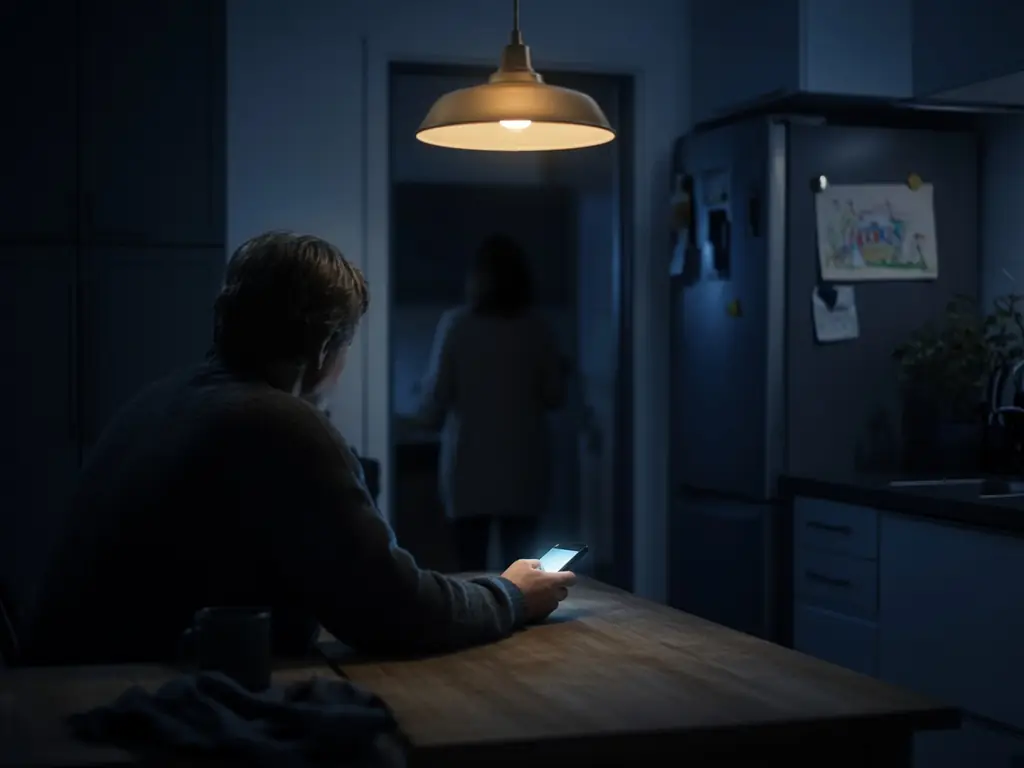
They often can't tell you what's going on. Legal advice, investigations and disclosure rules can limit what they're allowed to say, even at home. Silence at dinner is often confidentiality, not distance.
The decisions stay with them. Many keep replaying the calls they made and asking what they might have caught sooner, long after the systems are back.
Life gets pushed aside. In one survey, CISOs described missing birthdays, vacations, weddings and even funerals because of work. The report puts it simply: "Even when they are not at work many CISOs feel unable to switch off."9
04 Afterward
The incident closes on paper well before the person who led it is back to normal. The first signs look like ordinary stress. Left alone, they can deepen over time into something far more serious.
During the incident
Long hours, broken sleep, too much coffee, a short fuse. Normal for a crisis, and usually expected to pass.
In the weeks after
The pressure lifts but sleep doesn't come back. Decisions replay at night. Every alert feels like the start of the next attack.
Later, if it goes unaddressed
For some, it means severe anxiety and panic attacks, depression, guilt and self-blame that won't let go, and insomnia that lasts for months. It can mean withdrawal from family and friends, strain on a marriage, and symptoms of post-traumatic stress.
"Ransomware can ruin lives," concluded researchers who interviewed victims. They found that attacks evoked panic, guilt, shame and self-blame, reached into private and family life and contributed to serious health issues. One company brought in a PTSD support team for its staff.6
Source: Nominet CISO Stress Report, 2020 (400 CISOs, U.S. and U.K.).9 Read what the research says →
05 What helps
You don't need to understand the technology to help. Small, practical support makes a real difference during the incident and long after it.
Support
No security leader should carry an attack alone. PostIncident is building confidential support that connects security leaders with peers and vetted experts, and gives partners and families a space of their own. See what's in development or get in touch.